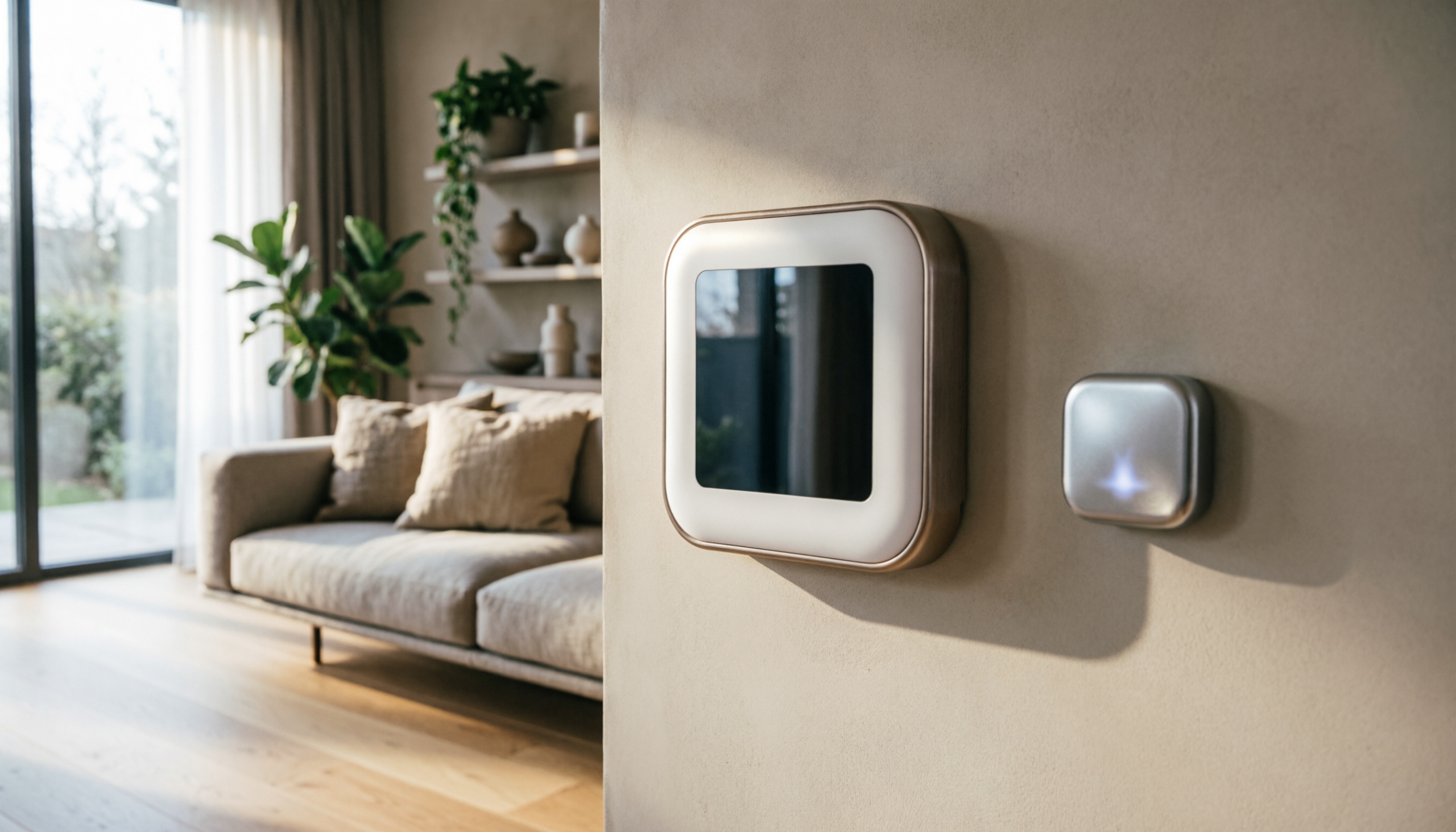
Best Multi-Zone Smart Thermostats with AI Occupancy Sensing
Comfort and energy savings depend on how well a home knows when rooms are actually in use. Multi-zone smart thermostats with occupancy sensing handle that quietly in the background.
The right setup trims wasted heating and cooling, keeps rooms balanced, and reduces constant manual adjustments across busy households.
Expert Verdict
Best Overall: Ecobee Smart Thermostat Premium with SmartSensor
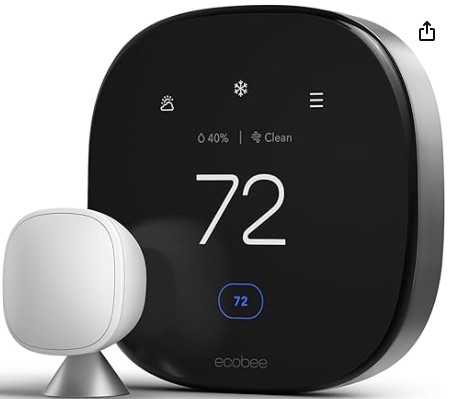
A strong balance of accuracy, room-by-room sensing, and reliable automation. The remote sensors consistently detect presence and adjust temperatures without lag.
Works well in larger homes where uneven heating usually causes daily frustration. Solid long-term value despite the higher upfront cost.
Comparison Table
| Category | Product | Key Strength | Amazon |
|---|---|---|---|
| Best Overall | Ecobee Smart Thermostat Premium | Accurate multi-room sensing + built-in air quality monitoring | Check Price |
| Best Budget | Google Nest Thermostat | Simple AI learning at a lower cost | Check Price |
| Best for Privacy | Honeywell Home T9 | Local sensor-based control, minimal cloud dependence | Check Price |
Best Multi-Zone Smart Thermostats with AI Occupancy Sensing
1. Ecobee Smart Thermostat (Best Overall)
Technical Specs
- Sensors: SmartSensor (motion + temperature)
- Coverage: Up to 32 sensors
- AI Chipset: Embedded occupancy detection with adaptive scheduling
Why It Wins
Room sensors work like quiet assistants. They track occupancy and prioritize active rooms instead of averaging the whole house. That solves the classic problem of one cold bedroom while the living room overheats.
Reality Check
Setup takes patience. Sensor placement matters more than expected. Poor placement leads to uneven results.
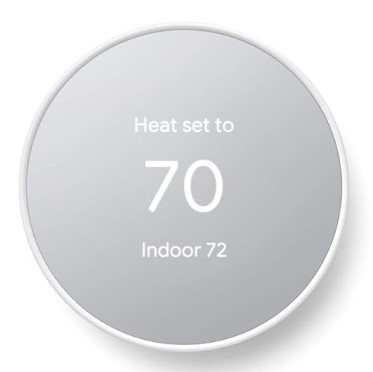
2. Google Nest Learning Thermostat (Best Budget)
Technical Specs
- Sensors: Built-in + optional remote sensors
- Coverage: Moderate multi-zone capability
- AI Chipset: Self-learning algorithm based on usage patterns
Why It Wins
Learns routines quickly. Within a week, heating and cooling schedules start matching real-life habits. Works best for households with predictable routines.
Reality Check
Multi-zone control is weaker compared to competitors. Additional sensors cost extra and still feel secondary.
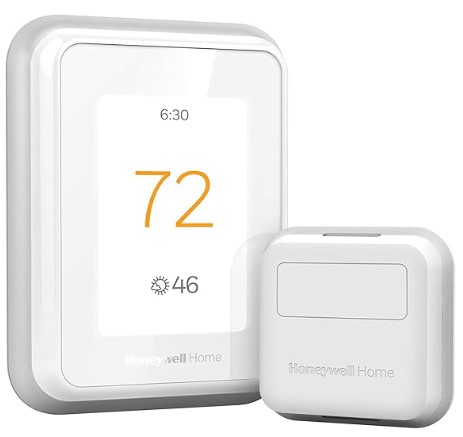
3. Honeywell Home T9 Smart Thermostat (Best for Privacy)
Technical Specs
- Sensors: Smart Room Sensors (motion + temp + humidity)
- Coverage: Up to 20 zones
- AI Chipset: Priority-based room control
Why It Wins
Strong zoning logic. Rooms can be prioritized based on occupancy, which keeps active areas comfortable without wasting energy elsewhere.
Reality Check
App interface feels dated. Setup flow lacks polish compared to newer competitors.
4. Emerson Sensi Touch 2 Smart Thermostat
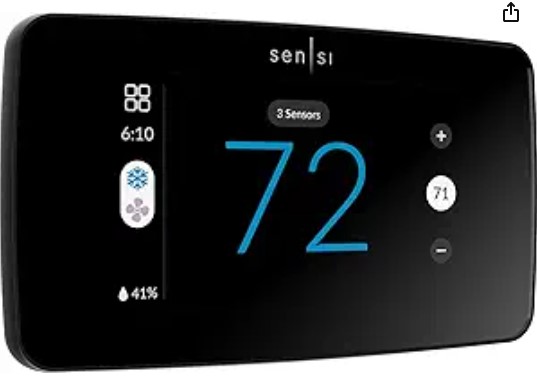
Technical Specs
- Sensors: Basic occupancy + scheduling
- Coverage: Limited multi-room expansion
- AI Chipset: Rule-based automation
Why It Wins
Reliable and straightforward. Good fit for households that want smart control without complex learning systems.
Reality Check
AI occupancy sensing is basic. Doesn’t adapt as deeply as higher-end models.
5. Amazon Smart Thermostat
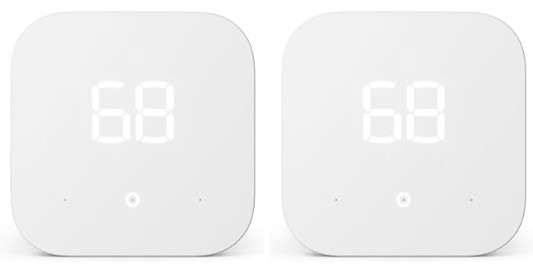
Technical Specs
- Sensors: Alexa-based occupancy awareness
- Coverage: Single-zone with automation support
- AI Chipset: Cloud-based learning via Alexa
Why It Wins
Affordable entry point. Works well when combined with smart home routines and voice automation.
Reality Check
Not truly multi-zone. Requires additional ecosystem setup to feel complete.
Buying Guide: What Actually Matters
Multi-Zone Control Explained
Multi-zone thermostats rely on remote sensors placed in different rooms. These sensors report temperature and occupancy, allowing the system to adjust heating and cooling per zone instead of treating the house as one unit.
AI Occupancy Sensing: Real Benefit
Basic thermostats react. Smarter ones predict. AI-driven systems learn patterns like:
- Morning room usage
- Evening clustering in living areas
- Empty house periods
This reduces energy waste without constant manual changes.
Storage & Control: Cloud vs Local
- Cloud-Based Systems
- More adaptive learning
- Remote access anywhere
- Depend on internet stability
- Local Sensor-Based Systems
- Faster response times
- Better privacy control
- Slightly less adaptive over time
FAQs
1. Can AI smart thermostats work without internet?
Yes, but with limits. Basic temperature control and some sensor responses still work. Advanced learning and remote control usually stop without a connection.
2. How many rooms can a smart thermostat manage?
High-end systems handle 20–30 sensors. In practice, most homes only need 5–10 well-placed sensors for effective zoning.
3. Do occupancy sensors really save energy?
Yes, when properly placed. The biggest savings come from avoiding heating or cooling empty rooms, especially during daytime hours.
Final Take
A well-tuned multi-zone thermostat quietly fixes uneven temperatures and wasted energy. The real difference shows up in daily comfort, not flashy features.
Focus on sensor accuracy and placement over brand hype. A thoughtful setup outperforms expensive systems that rely on default settings and guesswork.


