
Best Smart Radiant Floor Controllers for Luxury Master Baths
A warm bathroom floor changes daily routines in a quiet, practical way. The right controller makes that warmth steady, efficient, and easy to manage.
Below are five reliable smart radiant floor controllers that balance comfort, control, and long-term cost without unnecessary complexity.
Expert Verdict: Mysa Smart Thermostat
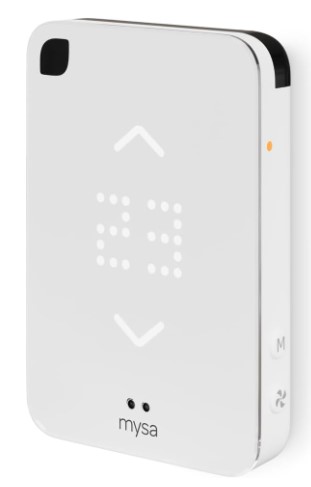
Best Overall: Mysa Smart Thermostat for Electric In-Floor Heating
Handles zoning well, clean app control, and strong energy tracking without subscription costs.
Comparison Table
| Category | Product | Key Strength | Check Price |
|---|---|---|---|
| Best Overall | Mysa Smart Thermostat | Energy tracking + clean interface | Check Price |
| Best Budget | Heatit Z-TRM3 | Solid Z-Wave control at lower cost | Check Price |
| Best for Privacy | Sinope TH1300ZB | Local Zigbee control, no cloud reliance | Check Price |
Best Smart Radiant Floor Controllers for Luxury Master Baths
1. Mysa Smart Thermostat (Best Overall)
Technical Specs:
- Voltage: 120–240V
- Load Capacity: 16A
- Connectivity: Wi-Fi
- Sensor: Floor + ambient
Why It Wins:
Fast scheduling, stable app, and detailed energy usage reports. Works without needing extra hubs. Ideal for households that want predictable heating cycles without constant manual adjustment.
Reality Check (Cons):
Requires a strong Wi-Fi signal. Setup can feel slightly rigid when pairing multiple zones.
2. SunTouch Command Smart Thermostat
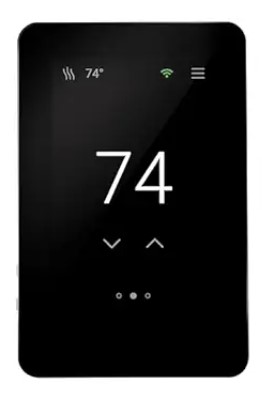
Technical Specs:
- Voltage: 120–240V
- Display: Touchscreen
- Connectivity: Wi-Fi
- Sensor: Dual (floor + room)
Why It Wins:
Large touchscreen makes adjustments simple, even early in the morning. Scheduling holds well, and manual overrides respond instantly.
Reality Check (Cons):
Interface looks dated. App lacks deeper automation features compared to newer competitors.
3. WarmlyYours nSpire Touch WiFi Thermostat
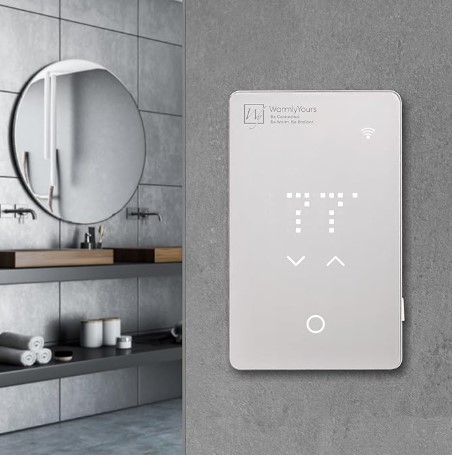
Technical Specs:
- Voltage: 120–240V
- Load: 15A
- Display: Full-color touchscreen
- Sensor: Floor-focused
Why It Wins:
Very precise temperature control. Strong option for stone or tile floors where overheating becomes a concern.
Reality Check (Cons):
Setup instructions can be unclear. App stability varies depending on firmware updates.
4. Heatit Z-TRM3 Smart Thermostat
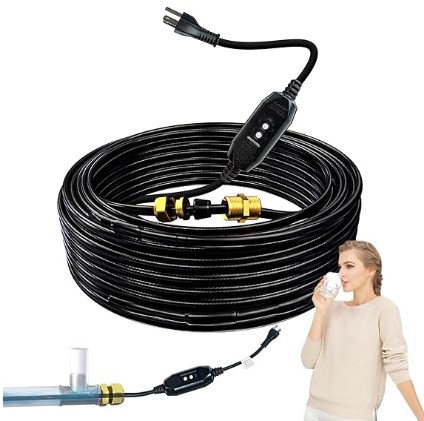
Technical Specs:
- Voltage: 120–240V
- Protocol: Z-Wave
- Load: 16A
- Sensor: Floor + room
Why It Wins:
Works well inside a full smart home system using Z-Wave. Keeps data local, reducing dependence on cloud services.
Reality Check (Cons):
Requires a Z-Wave hub. Not ideal for simple, standalone setups.
5. Sinope TH1300ZB Smart Thermostat
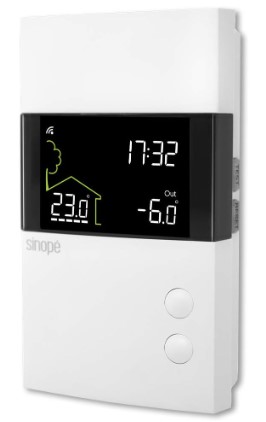
Technical Specs:
- Voltage: 120–240V
- Protocol: Zigbee
- Load: 15A
- Sensor: Floor
Why It Wins:
Strong privacy control through local Zigbee networks. Reliable performance even when internet access drops.
Reality Check (Cons):
Limited app ecosystem unless paired with a compatible hub.
Buying Guide: What Actually Matters
1. Control System: Standalone vs Hub-Based
- Standalone (Wi-Fi): Easier setup, direct app control, but relies on internet stability.
- Hub-Based (Z-Wave/Zigbee): More reliable locally, better privacy, but requires extra hardware.
2. Floor Sensor Accuracy
Controllers that prioritize floor sensors prevent overheating. This matters most with tile and stone.
3. Load Capacity
Check amperage. Undersized controllers fail early or limit heating performance.
4. Scheduling That Works in Real Life
Look for:
- Weekday vs weekend schedules
- Manual override without resetting everything
- Gradual heating instead of sudden spikes
FAQs
1. Can smart radiant floor controllers work without internet?
Yes. Hub-based systems (Z-Wave or Zigbee) continue running schedules locally. Wi-Fi models may lose remote control but usually keep programmed schedules.
2. How precise are these thermostats?
Most maintain temperature within ±1–2°C. Floor sensor models tend to be more consistent than air-only systems.
3. Are smart controllers worth the extra cost?
Only when used properly. Without scheduling, the energy savings disappear. Consistent programming is what makes the difference.
Final Take
A good radiant floor controller should feel invisible once set up. Reliable scheduling, accurate sensors, and simple controls matter more than flashy features.
The best option depends on whether convenience or privacy takes priority. Choose based on how the space is used daily, not on extra features that rarely get used.


